Editorial Magazine
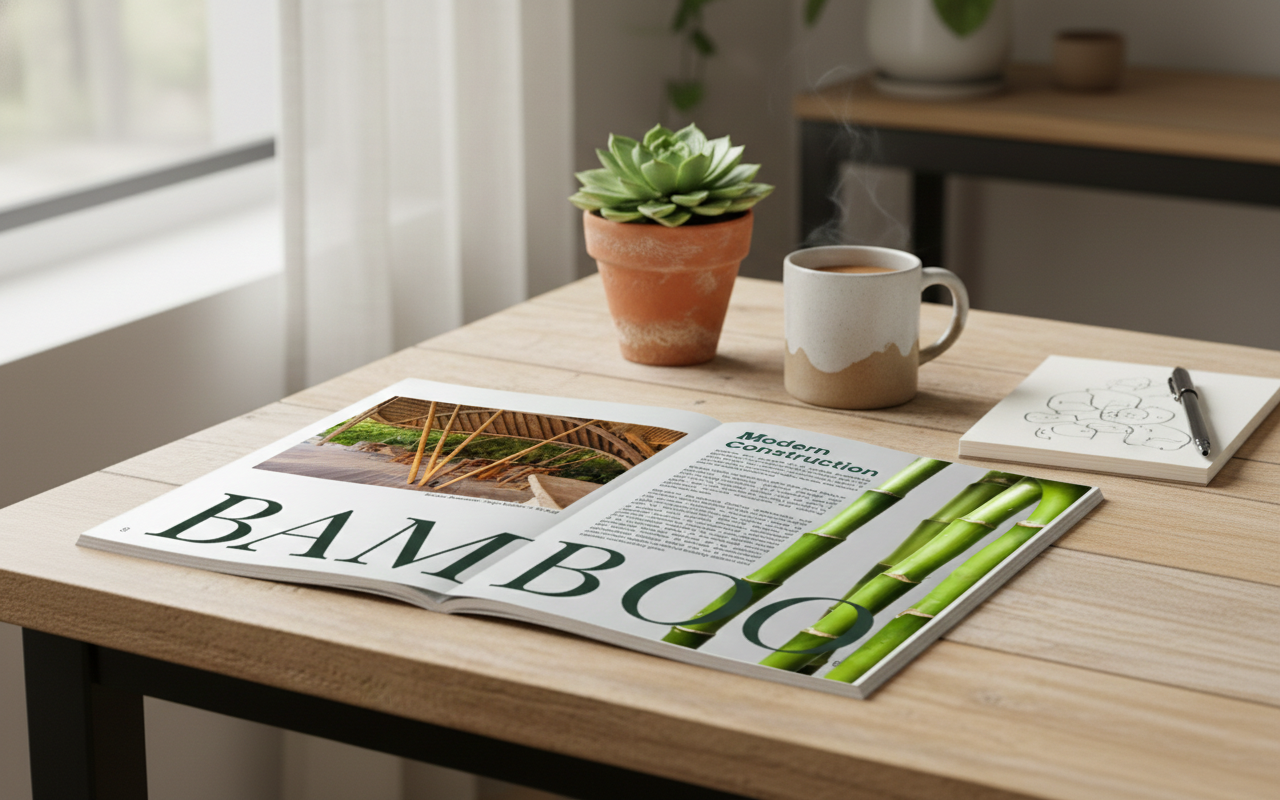
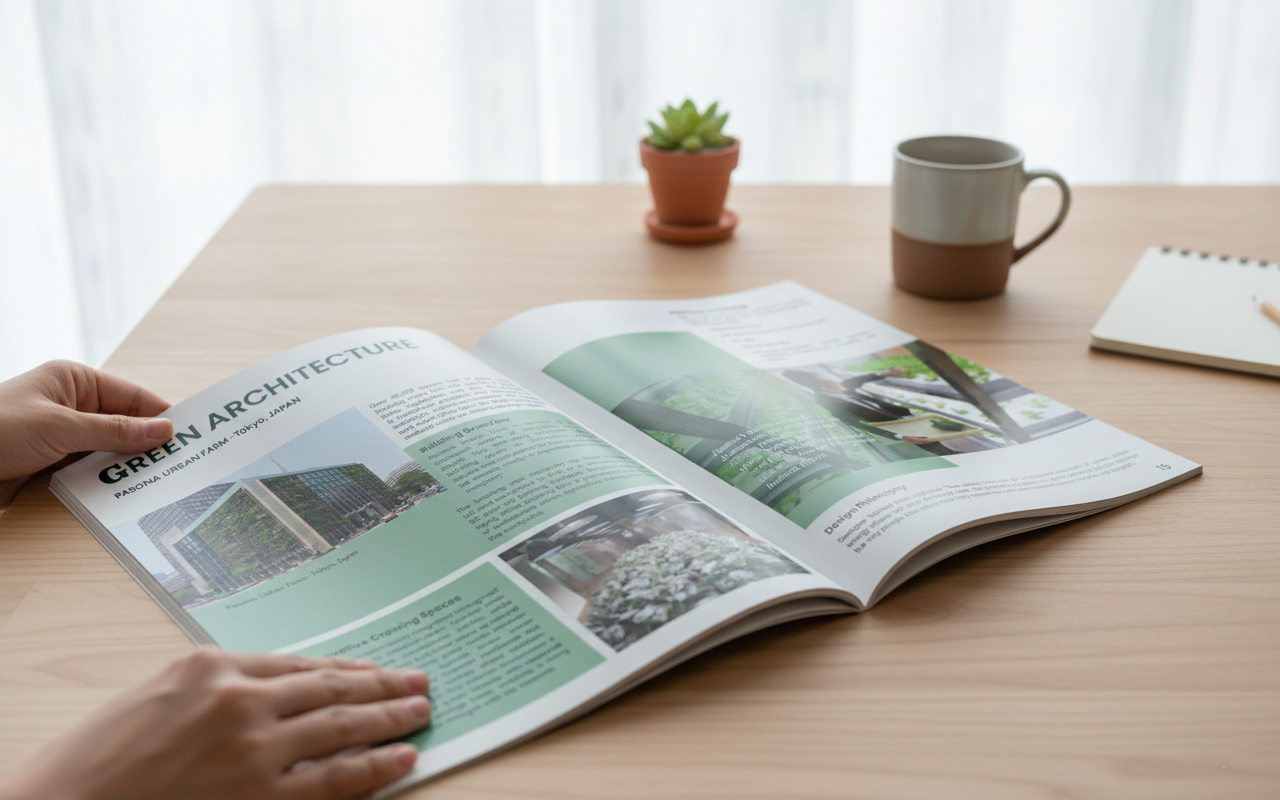
This was an assigned school project. While working on this, I researched many magazine layouts, typography, as well as sustainable practices for the environment, our future generations and for ethically friendly ideas.
When: Fall 2025
Class: Typography 2

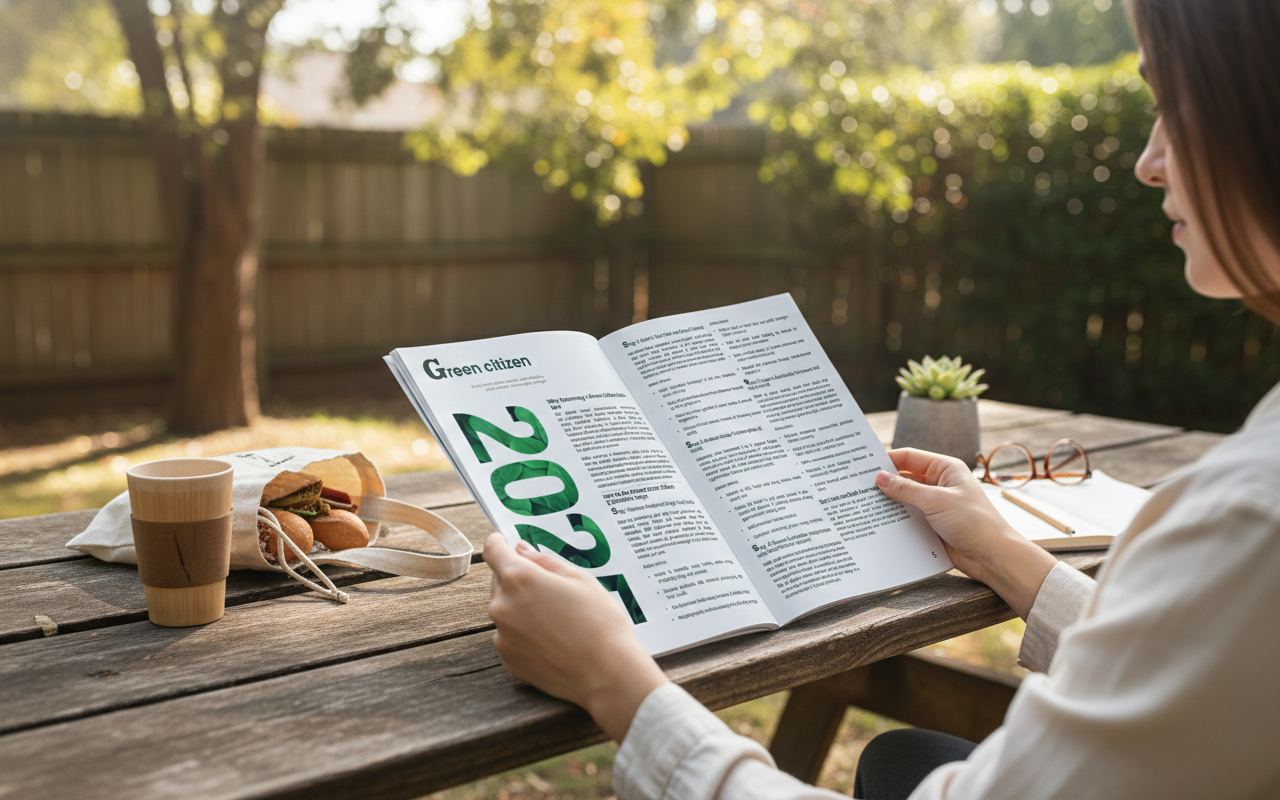
Editorial Magazine
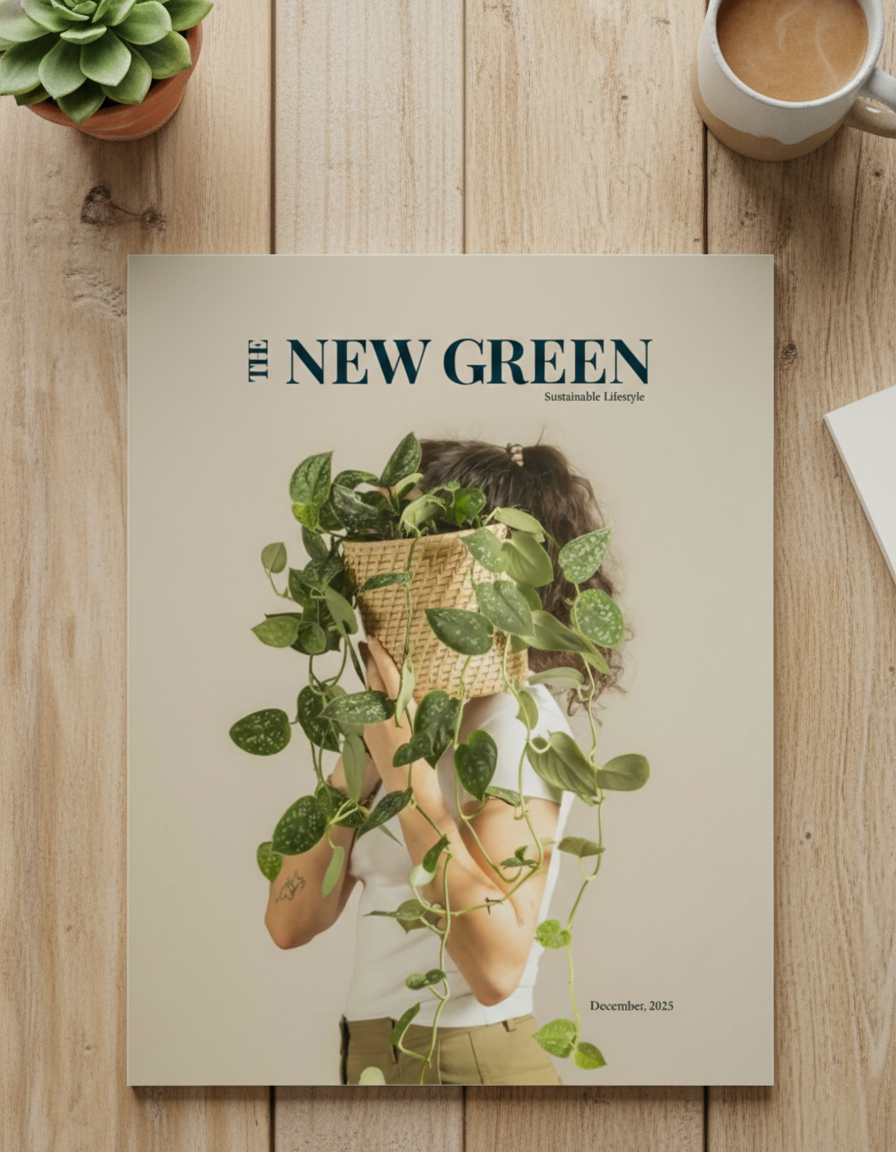
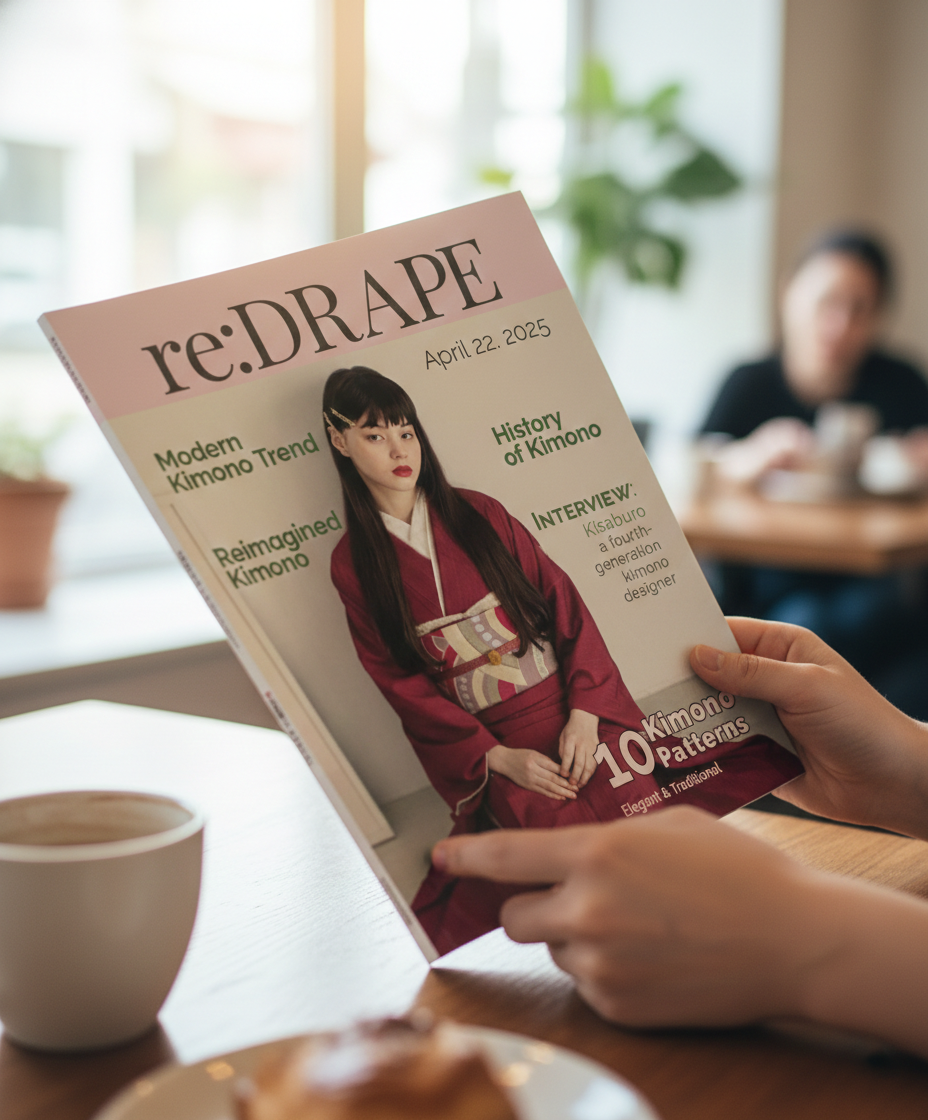
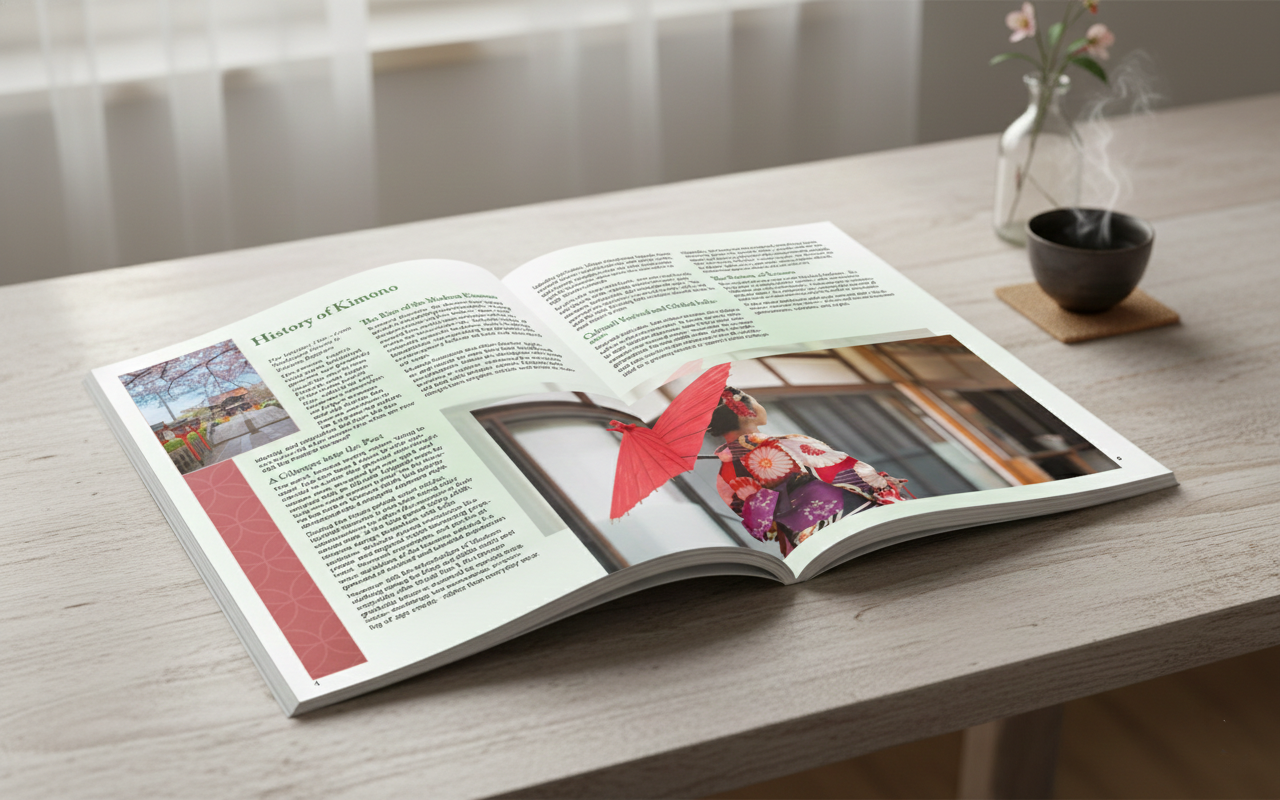
This magazine was created as a school project focusing on sustainable fashion and editorial design.This publication explores how the kimono—a garment worn in Japan since ancient times—continues to live and evolve in contemporary fashion.

Through thoughtful styling and modern arrangements, I demonstrate how traditional kimono can be transformed to create beautiful and elegant looks for today's world.Beyond aesthetics, re:DRAPE raises an important question about our relationship with clothing: rather than constantly buying new pieces or immediately sending them to recycling, how can we care for, rearrange, and enjoy our garments to cherish them for years to come?

This publication advocates for a more sustainable approach to fashion—one that values longevity, creativity, and the joy of reimagining what we already own.The magazine embodies the concept of "re-draping"—taking what exists and giving it new life, new meaning, and new beauty through conscious styling and care.
When: Winter 2025
Class: Typography 1, Digital Tehnology

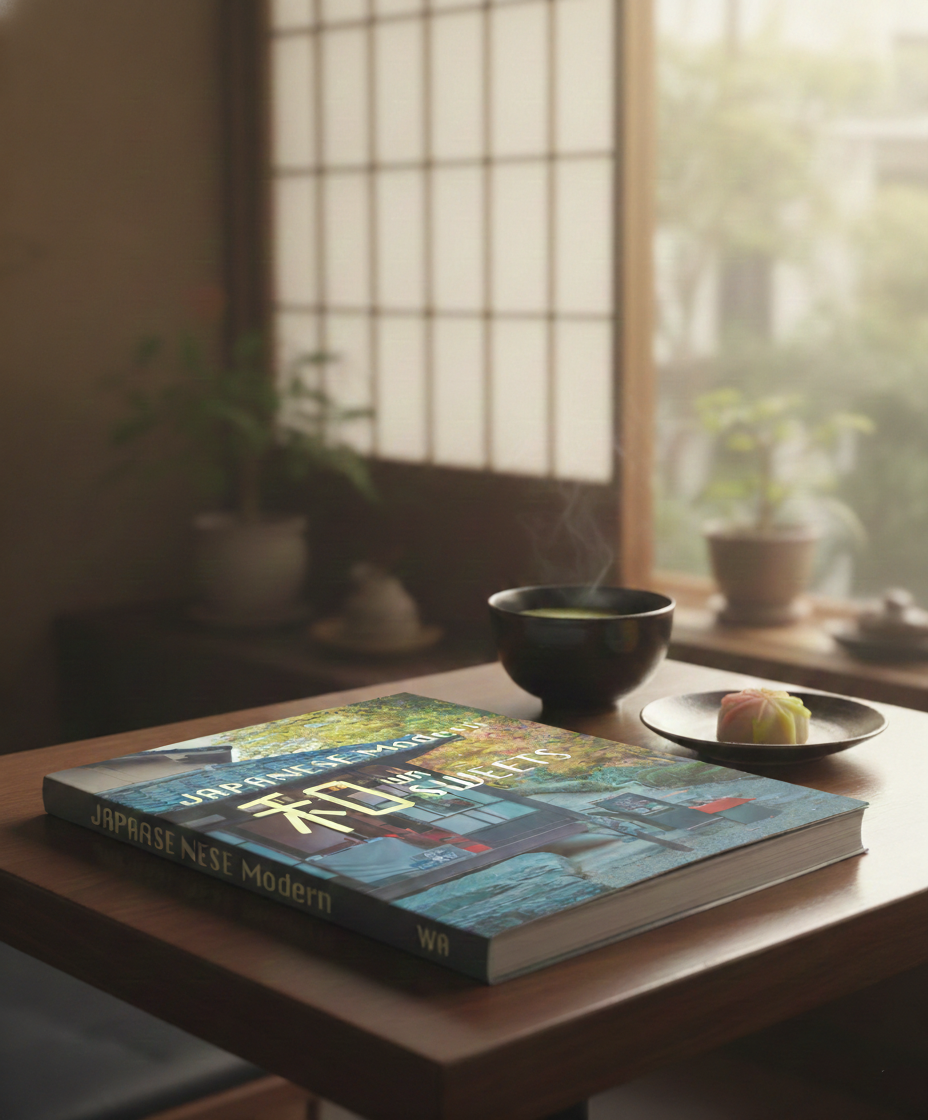
Editorial Cookbook
This cookbook was created as a school project exploring the intersection of Japanese confectionery culture and editorial design practices. Through extensive research into magazine layouts, typography, and environmentally conscious production methods, I developed a publication that introduces the world of Japanese sweets. Japanese sweets offer a healthier alternative to Western confections, being relatively lower in sugar while maintaining delicate, refined flavors.

This cookbook serves not only as a collection of recipes but also as an introduction to the cultural significance of "wagashi" and modern Japanese dessert-making.

The layout was designed to evoke a gentle, soft impression through the use of warm, subtle colours and circular motifs throughout the pages. Special attention was paid to the visual arrangement of photography, ensuring that readers can instantly recognize each sweet at a glance. The design philosophy emphasizes accessibility and aesthetic harmony, reflecting the very essence of Japanese sweets themselves—beautiful, balanced, and mindful.
When: Winter 2025
Class: Design